
Why Gratitude Changes Everything
Here’s the thing about gratitude — it’s not about pretending everything’s perfect. It’s about training your brain to notice what actually is working, what you do have, what’s worth appreciating. And it works faster than you’d think.
When you write down three things you’re grateful for every day, you’re literally rewiring your attention. Your brain starts scanning for good stuff instead of problems. After a few weeks, you’ll notice you’re in a better mood without really trying. Not because your circumstances changed — because you’re seeing them differently.
The beauty of a daily gratitude log is that it takes almost no time. Five minutes. That’s it. And unlike other journaling practices, there’s no “right way” to do it. You can’t mess it up.

Getting Started in 5 Minutes
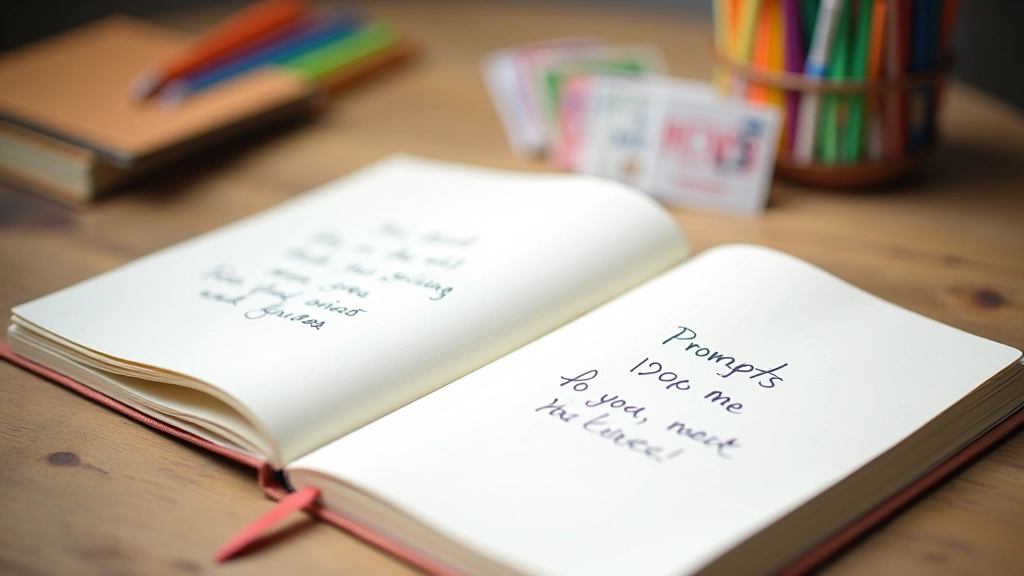
You don’t need anything fancy. A notebook and a pen. That’s genuinely all you need to begin.
Pick Your Time
Morning works best for most people. You’ll start your day noticing good things instead of stress. But if evening fits your schedule better, that works too. Consistency matters more than timing.
Write Three Things
They don’t have to be big. “My coffee was really good today” counts. “My friend texted me back quickly” counts. These small, specific moments are actually more powerful than grand ones.
Add One Sentence Why
This is the secret part. Don’t just list items. Write one sentence about why you’re grateful. “Because it gave me energy” or “Because she always listens.” This deepens the effect.
Notice How You Feel
Spend 10 seconds just sitting with the feeling. Don’t move on immediately. Let your nervous system settle into noticing that these good things exist. You’ll feel the difference.
Educational Note

The First Two Weeks Matter Most
Days one through three will feel a bit forced. You’re starting a new habit, and your brain resists change. That’s normal. Push through it anyway.
By day five or six, something shifts. You’ll catch yourself thinking about things to write down before you even sit down. Your brain’s already starting to notice good moments throughout the day.
Two weeks in, you’ll look back at your first entries and smile. They’ll seem shallow compared to what you’re writing now. You’re naturally going deeper, finding gratitude for harder things — resilience, growth, learning from mistakes.
Going Deeper After the First Month
Once you’ve built the habit, you can get more intentional. Some people start looking for gratitude in difficult situations — what can I appreciate about this challenge? Others start noticing patterns in what they’re grateful for, which reveals what matters most to them.
You might try gratitude for people, or for lessons, or for moments of pure presence. You’re not replacing the daily three-item log — you’re building on it. The foundation is solid.

Building It Into Your Life
Anchor It to Something Existing
Do it right after you pour your morning coffee. Or after you brush your teeth. Tying it to an existing habit means you won’t forget. Your brain will trigger the new behaviour automatically.
Use the Same Notebook
Having one dedicated gratitude journal is powerful. You’ll flip back through months of entries and see how your perspective’s evolved. That review builds momentum and proves the practice works.
Don’t Miss Twice
You’ll skip days. Life happens. But when you miss, do it the next day. Missing once doesn’t break the habit. Missing twice starts to feel normal. One day skip is fine. Two days and you’ve lost momentum.
Keep It Simple Always
Don’t let it become another task on your to-do list. If you’re writing paragraphs, you’re overcomplicating it. Three things plus one sentence why. That’s the format that sticks.
Start Tomorrow Morning
You don’t need to understand why gratitude works to benefit from it. You don’t need to believe it’ll change your life. You just need to write three things down tomorrow, and then the next day, and then the day after that.
That’s it. The rest happens naturally. Your mood lifts. Your perspective shifts. You notice more good moments because you’re actively looking for them. And five minutes a day becomes the best investment in your own wellbeing you’ve made.